.avif)
.avif)


Many businesses waste ad spend on PPC campaigns because they lack proper strategy and optimization. Research shows AI-driven PPC advertising now dominates platforms like Google Ads, improving targeting and conversions significantly. However, many advertisers still rely on outdated pay-per-click methods and weak landing page experiences. As a result, campaigns fail to generate strong return on ad spend. The future of PPC management combines automation, data, and smarter PPC strategies. This guide explains how to manage PPC effectively, optimize campaigns, and improve results across digital marketing channels.
Evolution of PPC Advertising Management
PPC management has evolved significantly as businesses shifted from manual campaign management to automated systems. Initially, advertisers relied on basic pay-per-click methods with limited targeting across search engine platforms. However, data-driven PPC advertising now improves ad spend efficiency and campaign results. Consequently, modern digital marketing integrates SEO insights, advanced targeting, and optimized landing page strategies to improve return on ad spend and overall performance.
Transition from Manual PPC Campaigns to AI-Driven PPC Management
Earlier, PPC campaigns required constant manual adjustments by a PPC manager for keyword targeting. However, AI now automates bidding, improves cost per click, and enhances campaign management efficiency. Consequently, businesses achieve better results with less manual effort.
Growing Role of Data and Automation in PPC Advertising
Data now drives effective PPC management as platforms analyze click behavior and conversion patterns. Additionally, automation tools optimize ad spend, improve cost per acquisition, and enhance campaign performance. Therefore, advertisers gain better control over paid advertising outcomes.
AI and Automation in PPC Campaign Management
AI and automation have transformed PPC campaign management by improving targeting accuracy and reducing wasted ad spend. Modern PPC platforms like Google Ads and Bing Ads use machine learning for better decision-making. Therefore, advertisers can manage PPC campaigns efficiently while improving return on ad spend and campaign performance across multiple digital advertising channels.
How AI Improves PPC Campaign Performance and Ad Spend Efficiency
AI analyzes large datasets to optimize PPC strategies and improve campaign performance consistently. It adjusts bids automatically based on user behavior, improving cost per click and conversions. Consequently, advertisers achieve higher return on ad spend.
Automation Tools for Managing PPC Campaigns and Ad Management
Automation tools help PPC specialists manage PPC campaigns without constant manual intervention. These tools optimize ad copy, schedule ads, and adjust budgets based on performance. Therefore, businesses streamline campaign management and improve overall efficiency.
Smart Bidding and Targeting in Google Ads and Bing Ads
Smart bidding uses machine learning to adjust bids based on conversion likelihood and user intent. Platforms like Google Ads and Bing Ads optimize targeting to show ads in relevant search results. Consequently, advertisers reach the right audience effectively.
Advanced PPC Strategies for Future Growth
Advanced PPC strategies focus on combining data, creative ad copy, and optimized landing pages for better results. Businesses now integrate search ads and display ads across multiple marketing channels. Moreover, effective PPC marketing strategies improve click-through rates, conversions, and overall digital advertising performance for various products and services.
Data-Driven PPC Strategies for Better Campaign Results
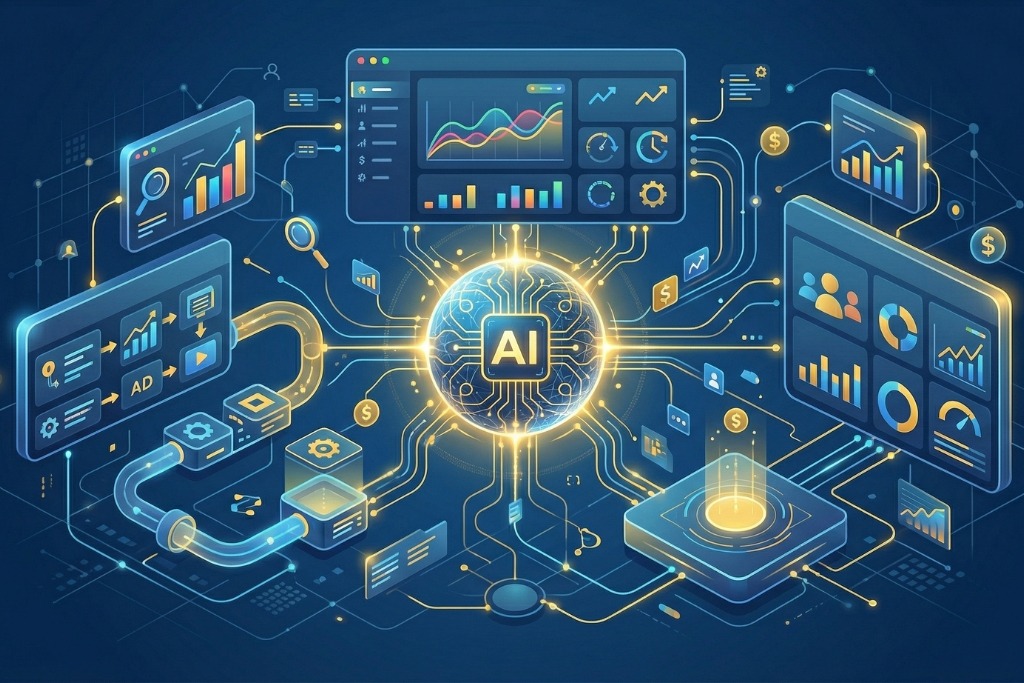
Data-driven PPC strategies use analytics to improve targeting and optimize advertising campaigns effectively. Advertisers analyze search results, adjust keywords, and refine campaigns to improve conversions. Therefore, businesses achieve better outcomes from paid ads.
Combining Search Ads and Display Ads for Effective PPC Advertising
Combining search ads and display ads allows advertisers to reach users across multiple platforms. Search ads capture high-intent users, while display ads increase brand awareness. Consequently, businesses improve campaign performance and engagement significantly.
Optimizing Ad Copy and Paid Ads for Higher Click and Conversions
Optimized ad copy attracts users and encourages them to click on your ad quickly. Additionally, relevant landing pages improve user experience and increase conversion rates. Therefore, effective PPC management ensures better results from paid advertising campaigns.
Challenges and Considerations in Automated PPC Advertising
Although automation improves efficiency, it also introduces challenges in managing PPC campaigns effectively. Advertisers must monitor ad spend, maintain campaign control, and avoid over-reliance on automation tools. Therefore, balancing human expertise with automation ensures effective PPC management and consistent performance across advertising platforms.
Managing Ad Spend and Maintaining Campaign Control
Managing ad spend remains essential as automated systems can overspend without proper monitoring. PPC managers must set budgets, track cost per acquisition, and adjust campaigns accordingly. Therefore, businesses maintain control over their advertising campaign performance.
Avoiding Over-Reliance on Automation in PPC Management
Over-reliance on automation can reduce control over PPC strategies and campaign decisions. PPC specialists must regularly review performance data and adjust campaigns manually when necessary. Consequently, businesses maintain effective PPC management and consistent results.
Future Trends in PPC Advertising Management
Future PPC advertising will rely heavily on AI, automation, and advanced data analysis techniques. Advertising platforms will offer more personalized targeting, improved ad placements, and better integration with digital marketing channels. Consequently, businesses using effective PPC strategies will achieve higher return on ad spend and stronger competitive advantages in paid advertising.
Conclusion
Many businesses waste ad spend on PPC campaigns because they lack proper strategy and optimization. Research shows AI-driven PPC advertising now dominates platforms like Google Ads, improving targeting and conversions significantly. However, many advertisers still rely on outdated pay-per-click methods and weak landing page experiences. As a result, campaigns fail to generate strong return on ad spend. The future of PPC management combines automation, data, and smarter PPC strategies. This guide explains how to manage PPC effectively, optimize campaigns, and improve results across digital marketing channels.
Faqs
1. What is PPC management and how does it work?
PPC management involves running and optimizing paid ads on platforms like Google Ads. Advertisers pay per click when users interact with ads.
2. How much does PPC advertising cost in the UK?
Costs vary by industry, but average cost per click ranges from £0.50 to £2. Higher competition increases ad spend and bidding costs.
3. Is PPC better than SEO for businesses?
PPC delivers faster results, while SEO builds long-term organic visibility. Most businesses use both for balanced digital marketing strategies.
4. What are the best PPC platforms to use?
Google Ads and Bing Ads are the most popular PPC platforms. They offer strong targeting and access to large search engine audiences.
5. How can I improve my PPC campaign performance?
Optimize ad copy, refine keywords, and improve landing page experience. Regular tracking helps improve return on ad spend.
.avif)
.avif)
.avif)
.avif)
.avif)
.avif)
.avif)
.avif)
